

When Touch Feels Unsafe: Reclaiming Embodiment After Trauma
Touch can feel overwhelming or even threatening after trauma, leaving many people confused by their own reactions. This post explores why the body responds this way and offers gentle, trauma-sensitive steps to rebuild safety, boundaries and connection with your physical self at your own pace.

The Mirror Isn’t the Enemy: Seeing Your Body After Trauma
For many trauma survivors, looking in the mirror isn’t shallow—it’s painful. This post explores why reflection can trigger shame, flashbacks, or disconnection, and offers gentle, therapeutic ways to rebuild a sense of safety in your body and reclaim your reflection with compassion.

Your Body Remembers: How Trauma Lives in the Body (and How to Reconnect Gently)
Trauma isn’t just a story from the past—it’s an imprint your body continues to carry. In this gentle, therapist-informed guide, we explore how trauma lives in the body through somatic memory and dissociation, and how you can begin reconnecting with yourself through compassion, pacing, and safety. This is for anyone who feels disconnected from their body and longs to return to it slowly, without pressure or judgment.
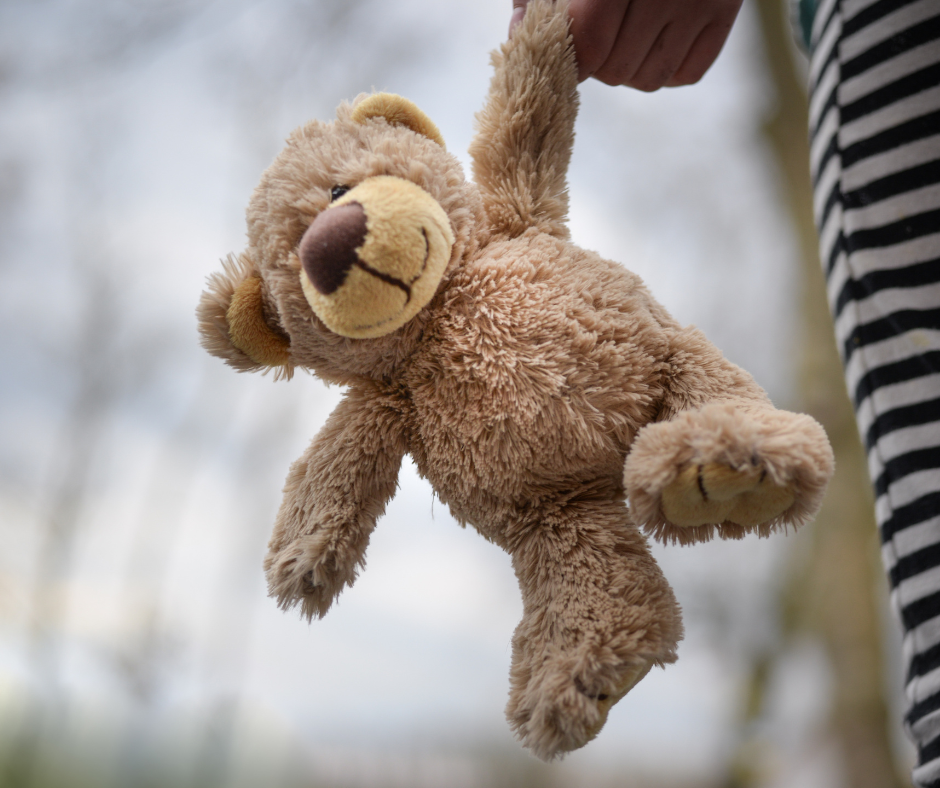
You Weren’t ‘Too Sensitive: How Childhood Comments About Weight Leave a Lasting Mark
“Are you sure you want seconds?” “You’ve got such a pretty face if only you lost a little weight.” Seemingly harmless comments like these often leave a lasting mark, shaping how we feel about our bodies well into adulthood. This post explores why those words stick and how you can begin to heal from their impact.
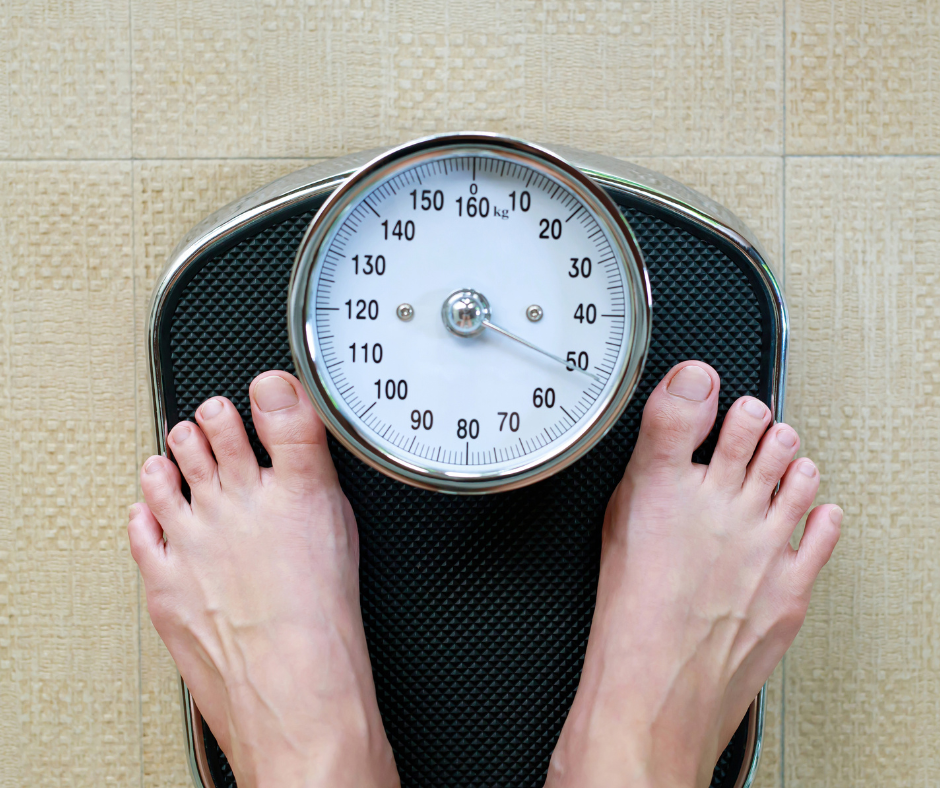
Safety in Shrinking: When Weight Loss Becomes a Coping Strategy
When weight loss feels like control or protection, it can quietly become a way to survive trauma. This post explores why shrinking sometimes feels safe, the hidden costs of this coping mechanism, and how to begin finding security in your body without relying on restriction or disappearance.

How Trauma Shapes Our Relationship with Food and the Body
Why do food and body image struggles run so deep and feel so hard to change? For many, the answer lies in trauma. In this gentle, psychoeducational post, we explore how trauma responses like dissociation, shame, and control can quietly shape eating behaviours, and why compassion (not willpower!) is key to healing.

Trauma, Abuse and Eating Disorders
Researchers think there are many people with eating disorders who are also suffering from symptoms of post-traumatic stress disorder, or PTSD. There are strong links between eating disorders and a history of childhood sexual abuse and/or adult rape.