
How Stress and Anxiety Affect Eating Habits: Understanding the Connection and Breaking the Cycle

Stress and anxiety are powerful forces that can influence nearly every aspect of our lives, including how we eat. If you've ever found yourself reaching for a snack when you're stressed or losing your appetite during anxious moments, you're not alone. The connection between stress, anxiety, and eating habits is deeply intertwined, and understanding this relationship is the first step toward breaking the cycle and fostering a healthier relationship with food.
How Stress and Anxiety Affect Eating Habits
Stress and anxiety trigger a cascade of physical and emotional responses in the body. These responses can significantly impact our eating behaviours, often in ways that feel beyond our control. Let’s delve into how stress and anxiety can influence our eating habits.
1. Emotional Eating: Seeking Comfort in Food
One of the most common responses to stress is emotional eating. When life feels overwhelming, many people turn to food as a source of comfort. High-stress situations can lead to cravings for sugary, fatty, or salty foods—often referred to as "comfort foods." These foods temporarily boost serotonin levels, a neurotransmitter associated with mood regulation, which can create a fleeting sense of relief.
Why It Happens:
Stress Response: During stress, your body releases cortisol, a hormone that can increase appetite and cravings for high-calorie foods.
Emotional Soothing: Eating can become a coping mechanism to numb or distract from difficult emotions.
Impact on Health:
Weight Gain: Consistently turning to food for comfort can lead to weight gain and related health issues.
Guilt and Shame: Emotional eating often comes with feelings of guilt or shame, further complicating your relationship with food.
2. Loss of Appetite: Anxiety-Induced Changes in Eating Patterns
On the flip side, anxiety can cause a significant loss of appetite. When anxiety levels are high, the body’s "fight or flight" response is activated, which can suppress hunger signals. For some, this can lead to skipping meals or undereating, which may contribute to feelings of fatigue, irritability, and even more anxiety.
Why It Happens:
Nervous System Response: Anxiety triggers the release of adrenaline, which can reduce appetite as the body focuses on immediate survival rather than food.
Digestive Discomfort: Anxiety can cause nausea, stomachaches, or digestive issues, making eating less appealing.
Impact on Health:
Nutrient Deficiency: Skipping meals can lead to nutrient deficiencies, which can exacerbate anxiety and stress.
Energy Depletion: Undereating deprives the body of the energy it needs to function optimally, potentially worsening mental and physical well-being.
3. Disrupted Eating Patterns: The Rollercoaster of Stress and Anxiety
Stress and anxiety can throw off regular eating patterns, leading to erratic meal times, binge eating, or restrictive eating behaviours. This inconsistency can disrupt your body’s natural hunger and fullness cues, making it harder to maintain a balanced diet.
“I lay in bed a night feeling crushed under the weight of life’s responsibilities. Stress is wrecking my sleep and then I wake up so tired the next day and have to rush around trying to do it all! My health isn’t what it once was, and my relationship is falling apart; we just snap at each other all the time and argue about housework.”
Does this sound like you?
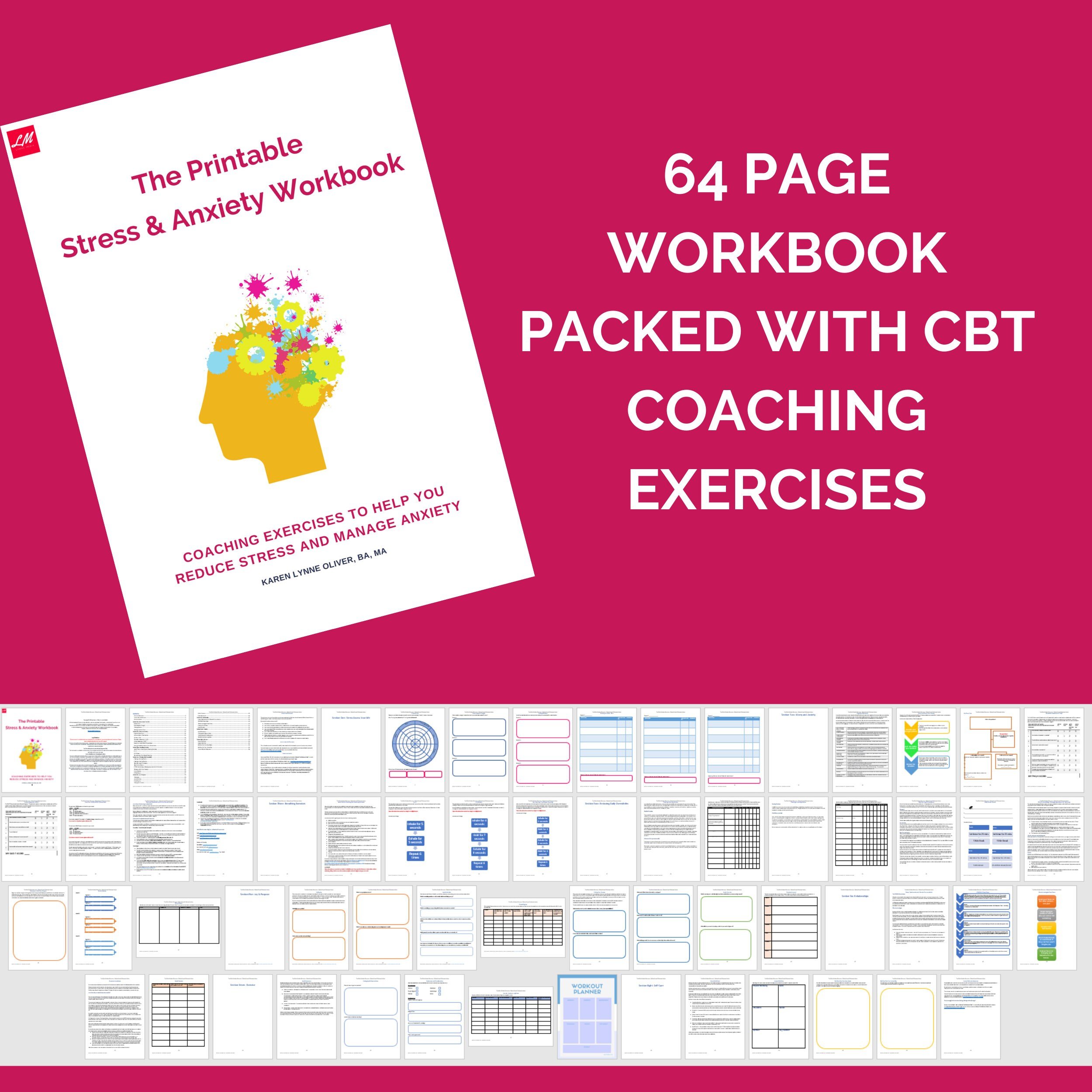
This workbook is for you if you feel like you're overwhelmed with life's worries and responsibilities. Stress and anxiety is likely to be affecting your health, happiness, and your work and personal life. This workbook will help you reduce sources of everyday stress and put in place coping strategies for anxiety.
By the end of this workbook you will:
• Recognise the symptoms of anxiety and depression
• Learn how to manage thoughts of worry, catastrophic thinking and negative thought patterns.
• Learn how breathing exercises can relieve the symptoms of stress and immediately calm you down.
• Learn how using SCRUM methodology can make managing your work and business significantly less stressful and more productive.
• Put in place highly effective morning and evening routines, tailed to your lifestyle.
• Bring joy, passion and creativity back into your life and find your sense of purpose.
• Reduce feelings of isolation, put less pressure on your romantic connections and rekindle your social life in a way that fits around your life's responsibilities and interests.
• Put in place lifestyle habits which will support your calm mindset and improve your overall health.
This workbook is packed with useful ‘cheat sheets’ and worksheets for you to print and make copies of.
TIPS:
This workbook contains a mix of portrait and landscape pages. Please select 'Auto portrait/landscape'
when printing.
You can also print on both sides to save paper.
**No Printer? No problem!**
Your purchase includes a digitally fillable pdf, which you can complete using your computer :)
ABOUT THE CREATOR:
Karen Lynne Oliver, BA, MA, is the owner of Lynne Media and the founder of Beyond The Bathroom Scale®, a hub of self-help resources to aid with recovery from disordered eating and body image.
A former Social Worker, Karen holds a bachelor’s degree in Sociology, specializing in health and society and a master’s degree in Social Work. She has trained in counselling skills and psychotherapy-based approaches including Cognitive Behavioural Therapy (CBT), Dialectical Behavioural Therapy (DBT) and Motivational Interviewing (MI).
Karen has previously written HuffPost UK and has been featured in The Metro, Cambridge Independent and Cosmopolitan Magazine.
______________________________________________________________________________________________________________________________________________________________________
NOT LICENSED FOR PROFESSIONAL USE
To obtain a professional use license, please purchase the workbooks using this link: https://beyondthebathroomscale.co.uk/therapy-workbooks/p/body-image-disordered-eating-cbt-workbooks-digitally-fillable-and-printable-for-professional-use-health-coach-therapist-pt
© Copyright 2020 Beyond The Bathroom Scale® – All Rights Reserved.
"Beyond The Bathroom Scale" is a Registered UK Trademark and the intellectual property of the website owner, Karen Oliver, trading as Beyond The Bathroom Scale, part of Lynne Media ('our', 'we', 'us').
We take the protection of our intellectual property very seriously. If we discover that you have breached the terms of the license, we may bring legal proceedings against you and seek monetary damages and/or an injunction to stop you using our materials. You could also be ordered to pay our legal costs.
Why It Happens:
Erratic Schedules: Stressful periods often come with chaotic schedules, leading to irregular meal times.
Mindless Eating: Anxiety can cause distraction, leading to eating without awareness or overconsumption of food.
Impact on Health:
Digestive Issues: Irregular eating patterns can cause digestive discomfort, such as bloating or constipation.
Metabolic Disruption: Inconsistent eating can confuse your metabolism, making it harder to maintain a healthy weight.
Breaking the Cycle: Strategies for Healthier Eating Habits
Understanding the connection between stress, anxiety, and eating habits is empowering because it opens the door to change. Here are some strategies to help you break the cycle and establish a healthier relationship with food.
1. Practice Mindful Eating
Mindful eating involves paying full attention to the experience of eating without distractions. By slowing down and savouring your meals, you can better recognize hunger and fullness cues and reduce emotional eating.
How to Do It:
Eat without Distractions: Turn off the TV, put away your phone, and focus solely on your meal.
Savour Each Bite: Take the time to appreciate the flavours, textures, and aromas of your food.
Check-In with Yourself: Pause during your meal to assess your hunger level and stop eating when you’re satisfied.
2. Create a Balanced Routine
Establishing a regular eating schedule can help stabilize blood sugar levels, reduce anxiety, and promote a healthier relationship with food. Aim to eat balanced meals that include a mix of protein, healthy fats, and complex carbohydrates.
How to Do It:
Set Regular Meal Times: Try to eat at the same times each day to regulate your body’s hunger signals.
Plan Balanced Meals: Include a variety of nutrient-dense foods in your meals to keep your energy levels steady.
Stay Hydrated: Drinking plenty of water throughout the day can help reduce stress and improve digestion.
3. Address the Root Causes of Stress and Anxiety
While managing your eating habits is important, addressing the underlying stress and anxiety is key to long-term change. Techniques like deep breathing, meditation, regular exercise, and seeking professional support can help reduce stress and anxiety, making it easier to maintain healthy eating habits.
How to Do It:
Incorporate Stress-Relief Techniques: Practice relaxation exercises, such as deep breathing or meditation, to calm your nervous system.
Move Your Body: Regular physical activity can reduce stress hormones and boost your mood.
Seek Professional Help: If stress and anxiety are overwhelming, consider speaking with a therapist who can provide guidance and support.
Fostering a Healthy Relationship with Food
The connection between stress, anxiety, and eating habits is complex, but by understanding it, you can take meaningful steps towards a healthier relationship with food. Remember, it’s not about perfection—it’s about progress. Each small change you make brings you closer to a more balanced and peaceful way of living.
If you’re ready to take your journey a step further, our Online Course on Overcoming Stress and Anxiety can provide the tools you need. Based on cognitive behavioural therapy, this course includes video lessons and therapy worksheets designed to help you manage stress and anxiety more effectively. By addressing the root causes, you can transform not only your relationship with food but your overall well-being.

Your ultimate guide to managing stress and anxiety where you’ll find practical tools and compassionate support to navigate life’s challenges with greater ease. This comprehensive course features a blend of engaging video lessons and cognitive-behavioural therapy (CBT) based workbooks designed to help you understand and manage stress and anxiety effectively.