10 Simple Techniques to Manage Stress and Anxiety: Easy Strategies for a Calmer Mind
In our fast-paced world, stress and anxiety have become common companions, often sneaking into our lives without warning. While some stress is natural, chronic stress and anxiety can take a toll on your physical and mental well-being. The good news? There are simple, effective techniques you can start using today to regain control and find your calm amidst the chaos. Let’s explore 10 easy-to-implement strategies that can help you reduce stress and anxiety, bringing more peace and balance into your life.
1. Practice Deep Breathing
Deep breathing is a powerful tool for calming the mind and body. When stress hits, our breathing often becomes shallow, sending signals to the brain that we’re in danger. By intentionally taking deep, slow breaths, you can activate your body’s relaxation response, helping to reduce anxiety almost instantly.
How to Do It:
Find a comfortable position, either sitting or lying down.
Close your eyes and inhale deeply through your nose, allowing your belly to expand.
Hold your breath for a few seconds, then slowly exhale through your mouth.
Repeat this process for a few minutes, focusing on the sensation of your breath.
2. Engage in Mindful Meditation
Mindfulness meditation is about being present in the moment without judgment. By focusing on your breath, sensations, or surroundings, you can distance yourself from anxious thoughts and bring your mind back to a state of calm.
How to Do It:
Set aside 5-10 minutes in a quiet space.
Sit comfortably and close your eyes.
Focus on your breath, noticing the rise and fall of your chest.
If your mind starts to wander, gently bring your attention back to your breath.
Practice this regularly to build resilience against stress.
3. Exercise Regularly
Physical activity is a natural stress reliever. Exercise releases endorphins—your body’s natural mood lifters—while also providing a healthy distraction from stressors. Whether it’s a brisk walk, yoga, or dancing, movement can help you manage anxiety and improve your overall well-being.
How to Do It:
Choose an activity you enjoy and make it a regular part of your routine.
Aim for at least 30 minutes of moderate exercise most days of the week.
Incorporate stretching or yoga to relax tense muscles and ease mental stress.
4. Limit Caffeine and Sugar Intake
While reaching for a cup of coffee or a sugary snack might seem comforting, too much caffeine and sugar can exacerbate anxiety. These stimulants can cause jitteriness and energy crashes, which can contribute to feelings of stress.
How to Do It:
Opt for herbal teas or water instead of caffeinated drinks.
Choose whole foods that provide sustained energy without spikes in blood sugar.
If you consume caffeine, do so in moderation and be mindful of how it affects your body.
5. Get Enough Sleep
Sleep is essential for managing stress and anxiety. When you’re well-rested, your body is better equipped to handle challenges. Lack of sleep, on the other hand, can heighten stress levels and make it harder to cope with anxiety.
How to Do It:
Establish a regular sleep schedule by going to bed and waking up at the same time every day.
Create a relaxing bedtime routine to signal your body that it’s time to wind down.
Ensure your sleep environment is comfortable, cool, and free from distractions.
6. Practice Gratitude
Focusing on what you’re grateful for can shift your mindset from stress to appreciation. Gratitude has been shown to boost mood, reduce anxiety, and improve overall mental health.
How to Do It:
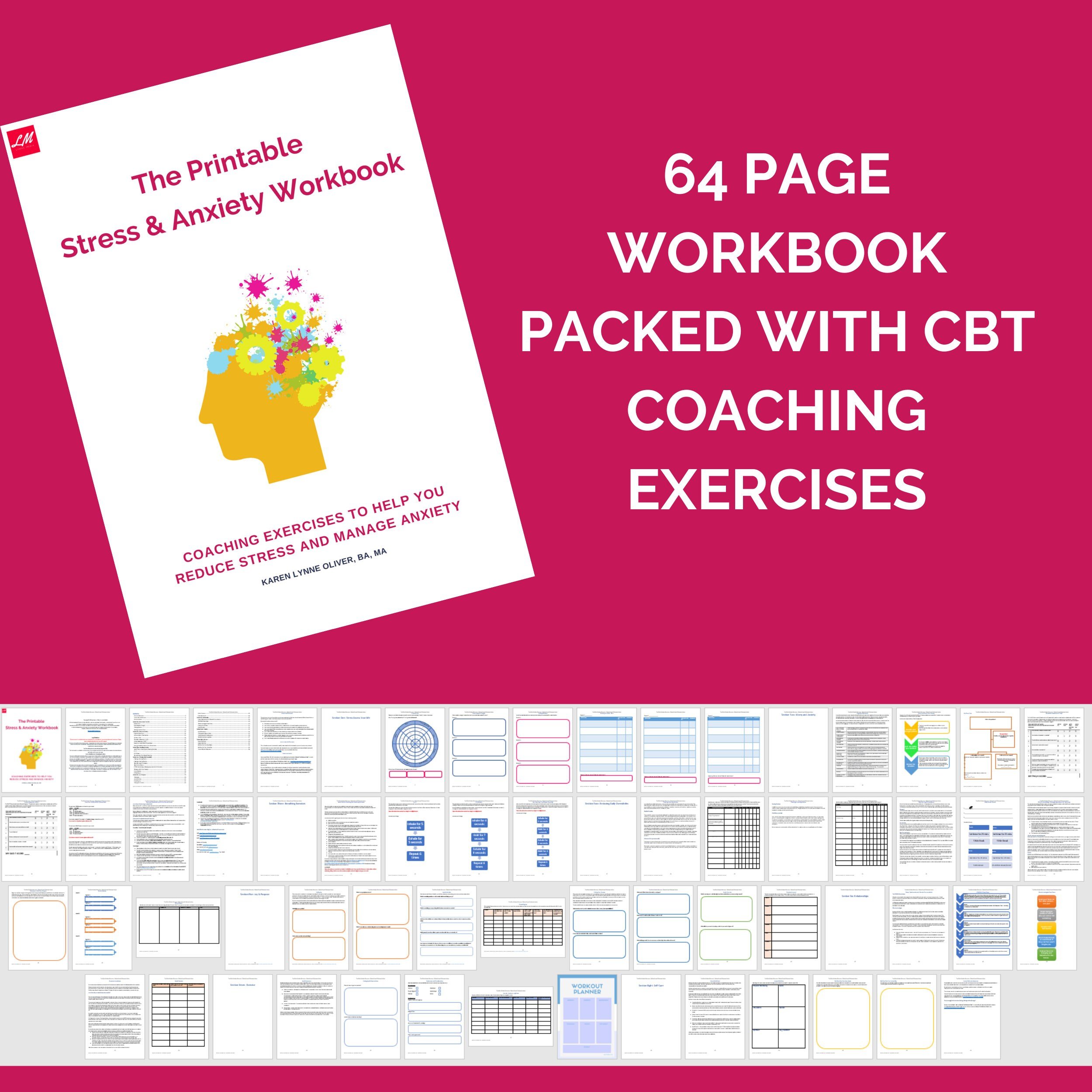
“I lay in bed a night feeling crushed under the weight of life’s responsibilities. Stress is wrecking my sleep and then I wake up so tired the next day and have to rush around trying to do it all! My health isn’t what it once was, and my relationship is falling apart; we just snap at each other all the time and argue about housework.”
Does this sound like you?
This workbook is for you if you feel like you're overwhelmed with life's worries and responsibilities. Stress and anxiety is likely to be affecting your health, happiness, and your work and personal life. This workbook will help you reduce sources of everyday stress and put in place coping strategies for anxiety.
By the end of this workbook you will:
• Recognise the symptoms of anxiety and depression
• Learn how to manage thoughts of worry, catastrophic thinking and negative thought patterns.
• Learn how breathing exercises can relieve the symptoms of stress and immediately calm you down.
• Learn how using SCRUM methodology can make managing your work and business significantly less stressful and more productive.
• Put in place highly effective morning and evening routines, tailed to your lifestyle.
• Bring joy, passion and creativity back into your life and find your sense of purpose.
• Reduce feelings of isolation, put less pressure on your romantic connections and rekindle your social life in a way that fits around your life's responsibilities and interests.
• Put in place lifestyle habits which will support your calm mindset and improve your overall health.
This workbook is packed with useful ‘cheat sheets’ and worksheets for you to print and make copies of.
TIPS:
This workbook contains a mix of portrait and landscape pages. Please select 'Auto portrait/landscape'
when printing.
You can also print on both sides to save paper.
**No Printer? No problem!**
Your purchase includes a digitally fillable pdf, which you can complete using your computer :)
ABOUT THE CREATOR:
Karen Lynne Oliver, BA, MA, is the owner of Lynne Media and the founder of Beyond The Bathroom Scale®, a hub of self-help resources to aid with recovery from disordered eating and body image.
A former Social Worker, Karen holds a bachelor’s degree in Sociology, specializing in health and society and a master’s degree in Social Work. She has trained in counselling skills and psychotherapy-based approaches including Cognitive Behavioural Therapy (CBT), Dialectical Behavioural Therapy (DBT) and Motivational Interviewing (MI).
Karen has previously written HuffPost UK and has been featured in The Metro, Cambridge Independent and Cosmopolitan Magazine.
______________________________________________________________________________________________________________________________________________________________________
NOT LICENSED FOR PROFESSIONAL USE
To obtain a professional use license, please purchase the workbooks using this link: https://beyondthebathroomscale.co.uk/therapy-workbooks/p/body-image-disordered-eating-cbt-workbooks-digitally-fillable-and-printable-for-professional-use-health-coach-therapist-pt
© Copyright 2020 Beyond The Bathroom Scale® – All Rights Reserved.
"Beyond The Bathroom Scale" is a Registered UK Trademark and the intellectual property of the website owner, Karen Oliver, trading as Beyond The Bathroom Scale, part of Lynne Media ('our', 'we', 'us').
We take the protection of our intellectual property very seriously. If we discover that you have breached the terms of the license, we may bring legal proceedings against you and seek monetary damages and/or an injunction to stop you using our materials. You could also be ordered to pay our legal costs.
Keep a gratitude journal and write down three things you’re grateful for each day.
Reflect on positive moments throughout your day, no matter how small.
Share your gratitude with others, spreading positivity and strengthening connections.
7. Connect with Loved Ones
Human connection is a powerful antidote to stress. Spending time with family, friends, or even pets can provide comfort, reduce feelings of isolation, and offer a sense of belonging.
How to Do It:
Make time for regular check-ins with loved ones, whether in person or virtually.
Engage in activities you enjoy together, such as cooking, walking, or simply talking.
Don’t hesitate to reach out when you’re feeling overwhelmed—sometimes, a listening ear is all you need.
8. Set Realistic Goals
Setting achievable goals can give you a sense of purpose and direction, helping to reduce the overwhelm that often accompanies stress and anxiety. Breaking down larger tasks into manageable steps can make challenges feel less daunting.
How to Do It:
Write down your goals and break them into smaller, actionable steps.
Prioritize tasks and focus on one thing at a time.
Celebrate small victories along the way, recognizing your progress.
9. Limit Exposure to Stress Triggers
Identifying and minimizing exposure to stress triggers can significantly reduce anxiety. Whether it’s cutting back on social media, avoiding negative news, or setting boundaries with stressful people, creating a more peaceful environment can help you maintain calm.
How to Do It:
Identify what triggers your stress and take steps to limit your exposure.
Set boundaries with people or situations that drain your energy.
Take breaks from technology and spend more time in nature or engaging in calming activities.
10. Engage in Creative Activities
Creativity is a wonderful outlet for stress relief. Whether it’s painting, writing, gardening, or playing music, creative activities allow you to express your emotions and focus your mind on something enjoyable and fulfilling.
How to Do It:
Dedicate time each week to engage in a creative hobby.
Don’t worry about the outcome—focus on the process and how it makes you feel.
Use creativity as a tool for self-expression and relaxation.
Managing stress and anxiety doesn’t have to be overwhelming. You can create a more balanced, peaceful life by incorporating these simple techniques into your daily routine. Remember, it’s okay to take small steps—every effort you make to reduce stress and anxiety is positive.
If you’re looking for a more structured approach to overcoming stress and anxiety, our Online Course on Overcoming Stress and Anxiety is here to support you. Based on cognitive behavioural therapy, this course features video lessons and practical therapy worksheets designed to help you understand and manage your stress and anxiety effectively. Take the first step towards a calmer, more centred life today.

Your ultimate guide to managing stress and anxiety where you’ll find practical tools and compassionate support to navigate life’s challenges with greater ease. This comprehensive course features a blend of engaging video lessons and cognitive-behavioural therapy (CBT) based workbooks designed to help you understand and manage stress and anxiety effectively.