
How To Improve Your Health Without Focusing on Weight Loss
When I tell people that I'm against dieting and that I don't set out to intentionally lose weight, the first thing they say is "what about your health?", the underlying assumption being that if you're not slim, you must be unhealthy.
You can't tell how healthy a person is just by looking at them.
Thin people can also have high blood pressure, high cholesterol and diabetes type 2. They can have sedentary lifestyles, poor diets, and might smoke, consume an excessive amount of alcohol, take illicit substances, or battle with disordered eating and/or mental health.
Likewise, an overweight person can have healthy blood work and vital stats, a regular exercise routine, a peaceful relationship with food, good emotional well-being and be a non-smoker who doesn't drink excessively or take illicit substances.
The point I'm trying to make here is that 'weight-related' illness does not mean 'weight-caused'. For the academics out there, I'm sure you've heard the phrase: correlation is not causation. It would be much more helpful and accurate to refer to "weight-related" illnesses as "lifestyle-related" illnesses.
Weight loss doesn't always mean 'gaining health'
As a society, we seem to think that any and all weight loss is a good thing. In reality, not all weight loss is 'healthy weight loss'. Think about situations where a person has lost weight because of illness, which also includes eating disorders.
It's also possible to lose weight in an unhealthy way, crash dieting for example. As extreme, but important examples, can we talk about the people who have died from following the Atkins plan? Or from taking weight loss pills?
Even after losing weight, a person's lifestyle is still a major factor when it comes to susceptibility to illness. Millions of people are losing weight on diet plans but continue to drink excessive amounts of alcohol, smoke and struggle with disordered eating and mental health issues.

Gaining weight doesn't always equate to 'losing health'
As anyone who has recovered psychologically from eating disorders will tell you, gaining weight can be a positive thing! For many, it represents finally letting go of food anxiety or finally letting go of self-induced vomiting, excessive exercising, diet pills, laxatives, illicit substances and food restriction.
Even if you've never had an eating disorder, gaining weight can be preferable in health terms (both physically and psychologically) when compared to dieting. When I gained some weight back after quitting calorie counting, I saw it as a positive thing. It meant the end of food restriction and obsession. It freed my mind up to tackle the more important issues in my life.
You can be overweight and still lead a healthy lifestyle
People assume that if your weight has crept up, you must have let your lifestyle slide. But this isn't always the case. If a healthy lifestyle is to be defined as a balanced diet in terms of nutrition, regular exercise, plenty of water, then you can do all of this, and still be overweight. Yes, really.
To argue against this is to ignore that weight can be affected by so many external factors. For example, years and years of yo-yo dieting (weight cycling) can disrupt metabolism, appetite hormones and muscle/fat ratio. There's an increasing body of research looking into the roles of genetics, age, gender, stress, sleep, hormone-disrupting chemicals in food, infections, gut microbiome, birth control, medication and more, as additional factors playing a role in weight gain.
So it's simplistic to assume that if someone has gained weight they must have stopped eating well and exercising on a regular basis. It may not always be the case.
Many of us can improve our health, without losing weight
While weight control can be a struggle for many people because of all the factors above, the good news is that physical health and fitness can be improved without the focus on weight loss.
Many conditions, such as pre-diabetes, diabetes type 2, high cholesterol, and hypertension can be reversed or better managed by a change in physical activity and nutritional tweaks (which should always be done under the advice and supervision of a registered medical professional such as a dietitian or other dietetic specialist). Reducing salt intake and increasing physical exercise, for example, can be enough to reduce blood pressure.
Fitness can also be improved without the focus on weight loss, and often people see positive changes in their athletic ability long before any changes on the scale. Physical fitness can be tested in three main areas: cardiovascular, strength and flexibility. This can be measured via metrics such as reduced blood pressure and resting heart rate and also metrics like speed, distances, the maximum number of reps or weight lifted, and muscular-skeletal assessment exercises to examine flexibility and mobility.
How you can improve your health without focusing on weight loss
In my HAES-based coaching app, I talk about some of the ways you can start to improve your health, without focusing on weight loss, if this is something you'd like to do. This is particularly useful to know if you've had a long history of dieting or disordered eating, whereby weighing yourself can trigger old habits and coping mechanisms (crash diets, binge eating, restriction).

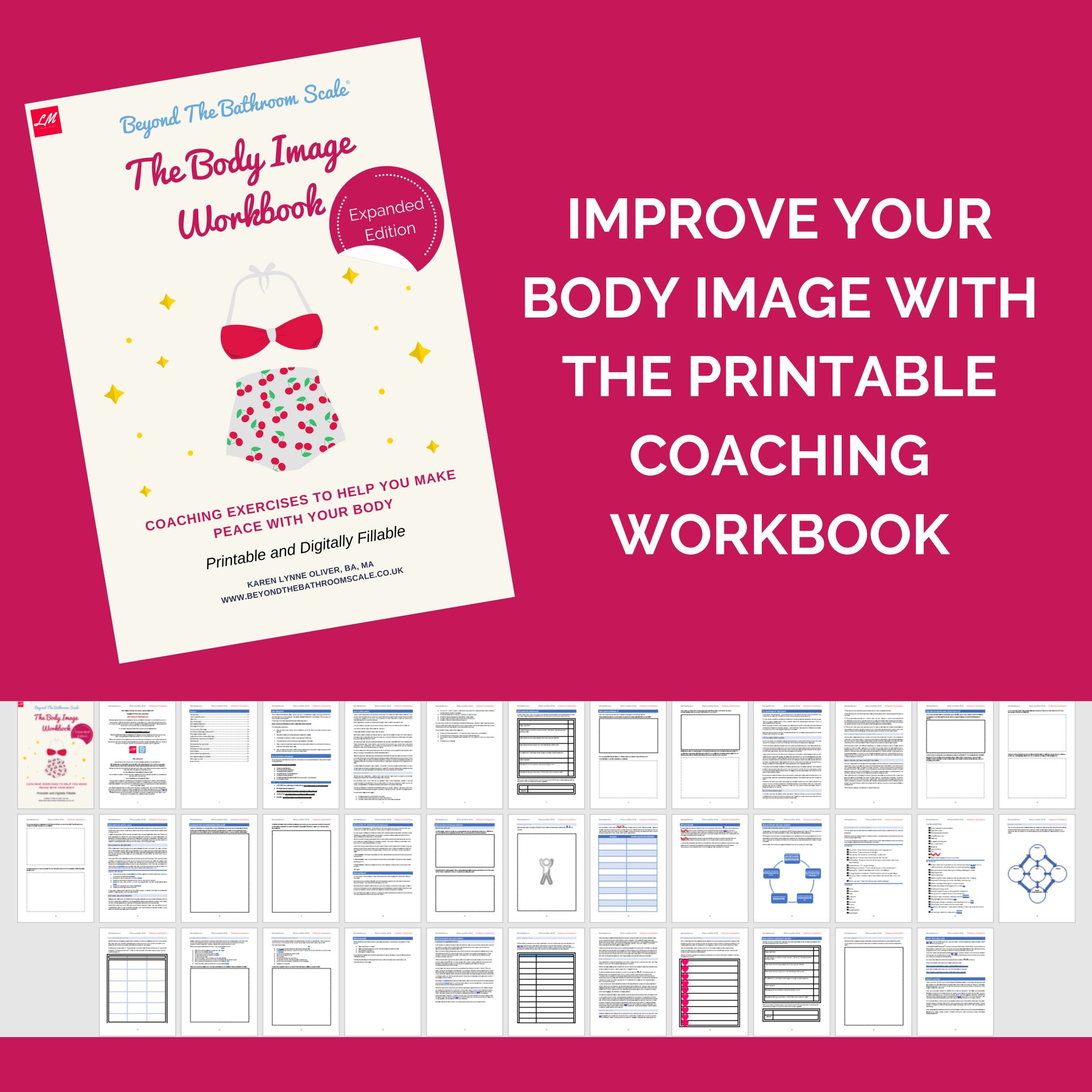
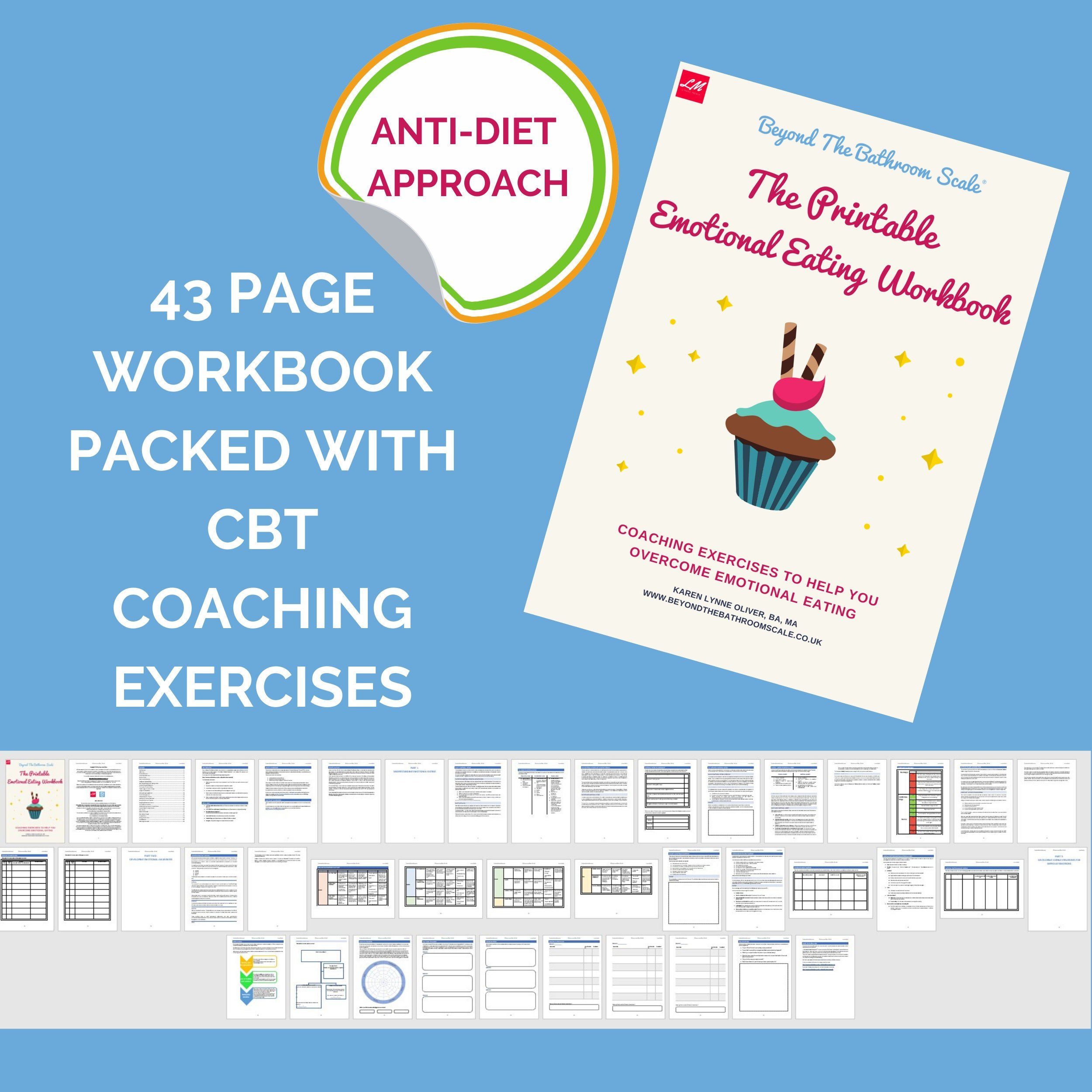
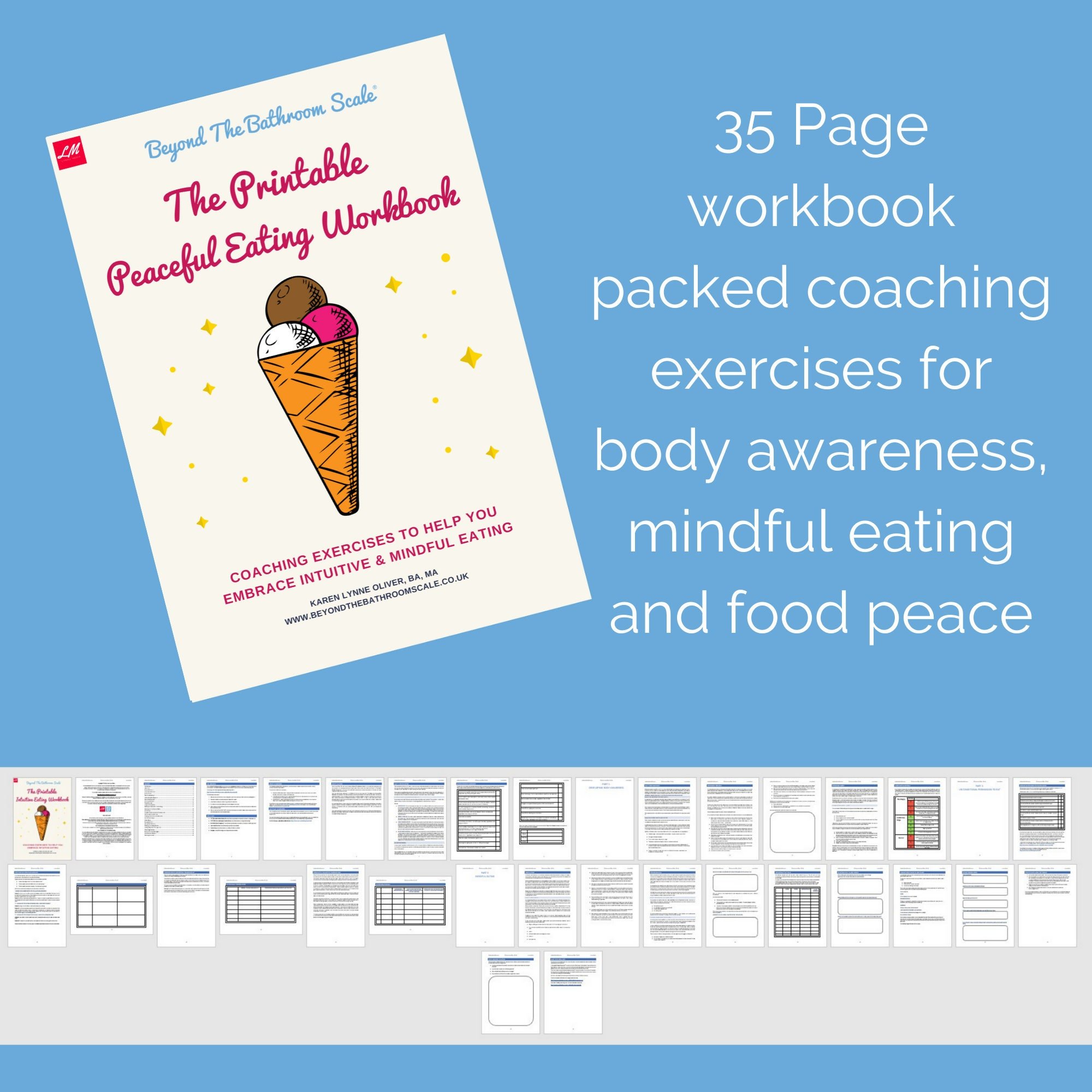
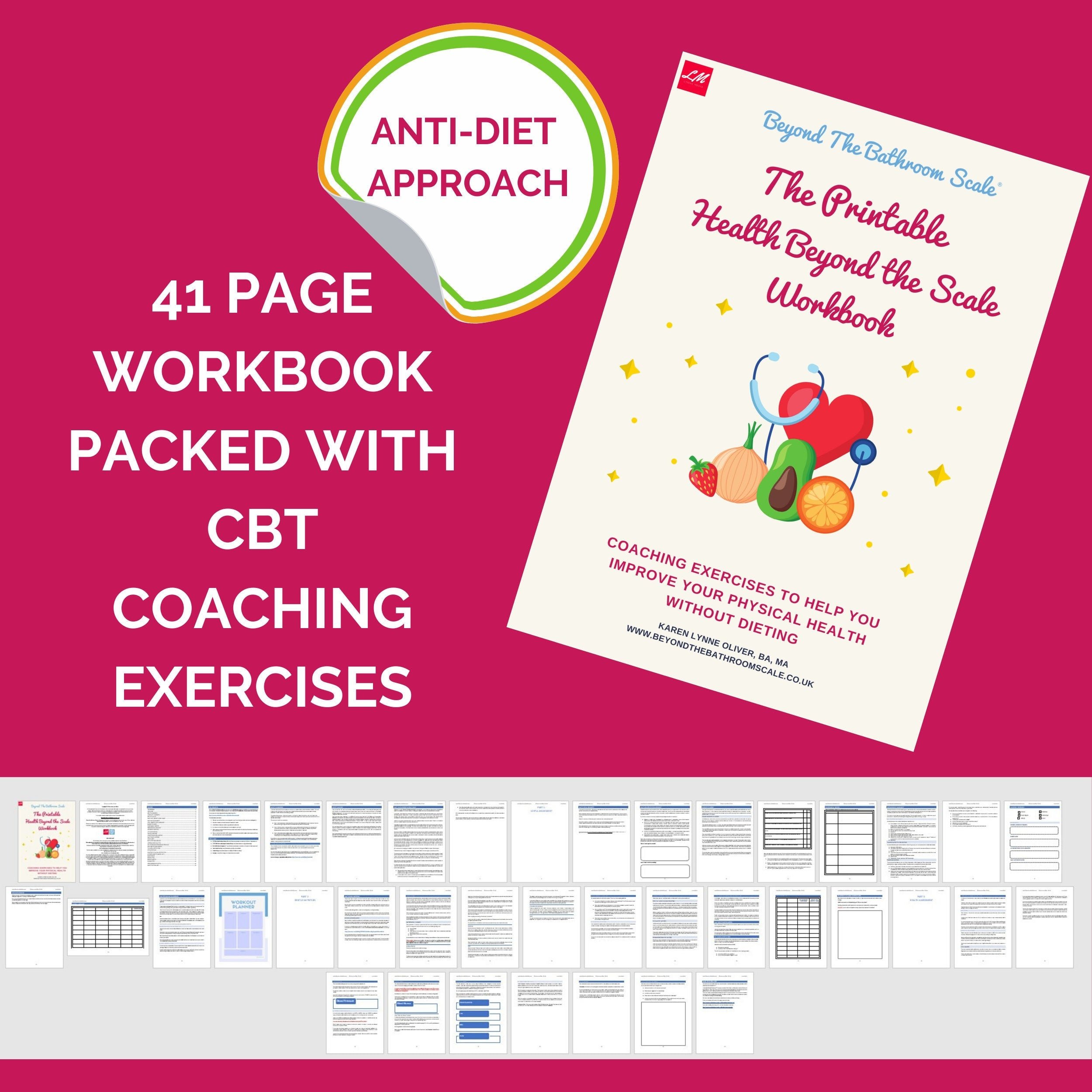

Feel more at home in your body — no matter what stage of your GLP-1 journey you're on.
This beautifully designed digital workbook offers gentle, trauma-informed support for anyone using GLP-1 medications (like Ozempic, Wegovy or Mounjaro) who wants to heal their relationship with food, body image, and self-worth.
Whether you’re new to GLP-1 weight loss injections or further along in your journey, this self-paced workbook meets you exactly where you’re at — with no shame, no food rules, and no pressure to shrink yourself.
💡 What’s Inside:
25+ therapist-informed coaching exercises designed to deepen body awareness and self-compassion
Tools to support your relationship with food, hunger, body image, movement, and emotional eating
Practical activities like the Body Timeline, Food Rule Challenge Ladder, and Weekly Self-Care Rhythm Planner
Trauma-informed prompts, sensory grounding practices, and boundary-setting support
A discount code for the full online course (exclusive to workbook buyers!)
Instant digital download — fill in digitally or print at home
🎯 This workbook is for you if:
You feel disconnected from hunger or fullness while on GLP-1 medication
You’re ready to stop obsessing over numbers and start redefining true health
You want to unlearn diet culture and reconnect with your body in a safe, supported way
You’re looking for coaching-style guidance that honours your emotional and physical needs
You’re not quite ready for the full course, or want a more affordable entry point
📥 Format:
PDF digital workbook (fillable + printable)
Immediate download after purchase
For personal use only
🧠 Created by:
Karen Lynne Oliver
Therapist-in-training | Eating Psychology Coach | Founder of Beyond the Bathroom Scale®