
Balancing Nutrition and Mental Health: Tips for a Holistic Approach to Well-Being

In today’s fast-paced world, finding harmony between nutrition and mental well-being is essential for a vibrant, fulfilling life. Nourishing your body with the right foods doesn’t just support physical health—it plays a crucial role in enhancing mental clarity, emotional stability, and overall well-being. Let’s explore how you can create a balanced diet that supports both your mental and physical health, paving the way for a holistic approach to wellness.
1. Embrace a Variety of Nutrient-Dense Foods
A well-rounded diet rich in nutrient-dense foods is foundational for both mental and physical health. Incorporate a colourful array of fruits, vegetables, whole grains, lean proteins, and healthy fats into your meals. Each food group provides essential vitamins, minerals, and antioxidants that support brain function, mood regulation, and energy levels. Variety ensures you receive a broad spectrum of nutrients, promoting overall well-being and resilience.
2. Prioritize Omega-3 Fatty Acids
Omega-3 fatty acids, found in foods like fatty fish, flaxseeds, and walnuts, are known for their positive impact on brain health. These essential fats support cognitive function, reduce inflammation, and can even help alleviate symptoms of depression and anxiety. Including omega-3-rich foods in your diet helps maintain mental clarity and emotional balance.
3. Balance Blood Sugar Levels
Maintaining stable blood sugar levels is crucial for mental health. Opt for complex carbohydrates like whole grains, legumes, and vegetables that release energy slowly and keep you feeling satisfied longer. Pairing these carbs with proteins and healthy fats helps stabilize blood sugar, preventing the mood swings and irritability associated with blood sugar fluctuations.
4. Stay Hydrated
Hydration is often overlooked, but it’s vital for both physical and mental health. Drinking adequate water throughout the day supports brain function, concentration, and emotional stability. Aim for at least 8 glasses of water daily, and adjust based on your activity level and individual needs. Proper hydration enhances your mood and cognitive performance, helping you feel more balanced and focused.
5. Include Foods Rich in B Vitamins
B vitamins, particularly B6, B12, and folate, play a significant role in brain health and emotional regulation. Foods such as leafy greens, eggs, dairy products, and legumes are excellent sources of these vitamins. A diet rich in B vitamins supports neurotransmitter function, contributing to a stable mood and reduced symptoms of depression and anxiety.
6. Practice Mindful Eating
Mindful eating involves paying attention to the sensory experience of eating and being aware of your body’s hunger and fullness cues. This practice helps you build a healthier relationship with food and ensures that you are eating in response to true hunger rather than emotional triggers. By fostering a mindful approach, you can enjoy your meals more and make more intentional food choices.
7. Incorporate Probiotics for Gut Health
The gut-brain connection is a powerful link between digestive health and mental well-being. Probiotic-rich foods like yoghurt, kefir, and fermented vegetables can support a healthy gut microbiome, which in turn influences mood and cognitive function. A balanced gut microbiome promotes overall mental clarity and emotional stability.
“Food is always on my mind. I feel out-of-control around my favourite foods, I always end up binging on them when I finally let myself have them. I worry about calories and macros and track them using an app. I have a long history of dieting which started when I was a teenager. I feel like food probably isn’t this big of a deal for other people, I wish I could relax around it like they seem to.”
Does this sound like you?
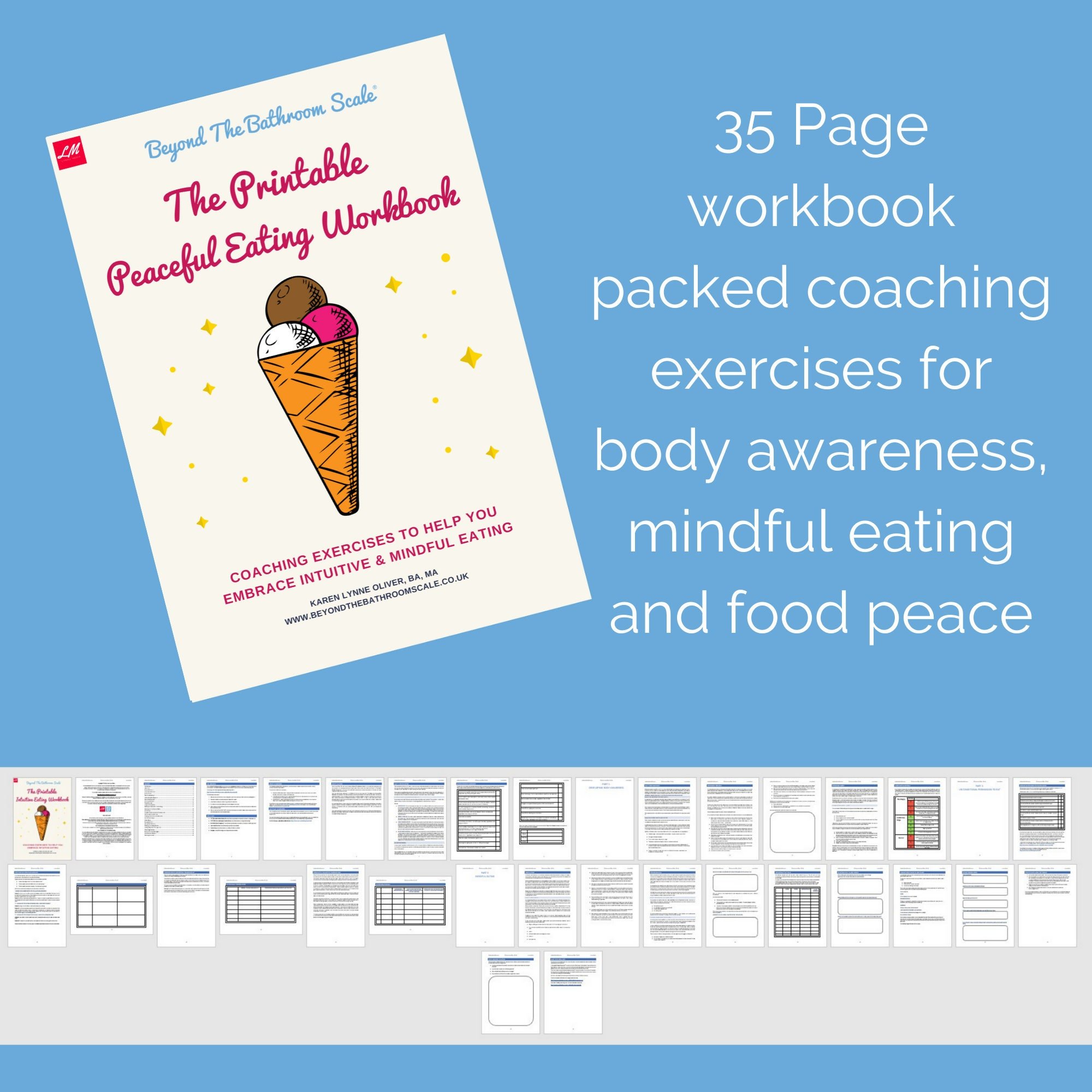
The Printable Peaceful Eating Workbook for people who want to leave diets behind once and for all and embrace Intuitive and Mindful Eating instead.
The workbook is split into three parts:
1. Developing Body Awareness – these exercises are designed to help you check in with your body’s signals, including your hunger and fullness cues.
2. Unconditional Permission to Eat – these exercises will help you understand and ditch the food rules you’ve adopted from past diets and diet culture.
3.Mindful Eating – these final exercises will help you find enjoyment and satisfaction from food and listen out for pesky thoughts of diets creeping back into your mind.
This workbook is packed with useful ‘cheat sheets’ and worksheets for you to print and make copies of.
You could create your own binder of self-help resources for your mental wellbeing and personal development and add to them using additional workbooks available on the Lynne Media Etsy Store.
__________________________________________________________________________________________________
TIPS:
This workbook contains a mix of portrait and landscape pages. Please select 'Auto portrait/landscape'
when printing.
You can also print on both sides to save paper.
**No Printer? No problem!**
Your purchase is a digitally fillable pdf, which you can complete using your computer :)
ABOUT THE CREATOR:
Karen Lynne Oliver, BA, MA, is the Founder of Beyond The Bathroom Scale®, a hub of self-help resources to aid with recovery from disordered eating and body image. Karen is also the Programme Director of The Health Mindset Programme™, a 6-month online self-help programme for anyone who wants to improve their body image and relationship with food.
Karen has had articles published in on HuffPost UK and has been featured in The Metro and Cosmopolitan Magazine. Her award-winning blog and coaching programme is based on the Health at Every Size ® approach to health and draws on the principles of Intuitive Eating, the Body Positivity movement, Motivational Interviewing (MI), Positive Psychology and Dialectical Behaviour Therapy (DBT), in order to help busy women tackle disordered eating, overcome emotional eating and recover from long-term dieting via a holistic, research-led online coaching programme.
A former Social Worker, Karen comes from an academic background of Psychology and Sociology. She holds a bachelor’s degree in Sociology, specialising in health and society and a master’s degree in Social Work. She has trained in Counselling skills and Psychotherapy-based approaches such as CBT, DBT and Motivational Interviewing.
______________________________________________________________________________________________________________________________________________________________________
NOT LICENSED FOR PROFESSIONAL USE
To obtain a professional use license, please purchase the workbooks using this link: https://beyondthebathroomscale.co.uk/therapy-workbooks/p/body-image-disordered-eating-cbt-workbooks-digitally-fillable-and-printable-for-professional-use-health-coach-therapist-pt
© Copyright 2020 Beyond The Bathroom Scale® – All Rights Reserved.
"Beyond The Bathroom Scale" is a Registered UK Trademark and the intellectual property of the website owner, Karen Oliver, trading as Beyond The Bathroom Scale, part of Lynne Media ('our', 'we', 'us').
We take the protection of our intellectual property very seriously. If we discover that you have breached the terms of the license, we may bring legal proceedings against you and seek monetary damages and/or an injunction to stop you using our materials. You could also be ordered to pay our legal costs.
8. Limit Processed and Sugary Foods
While occasional treats are part of a balanced diet, consistently consuming processed and sugary foods can negatively impact mental health. These foods often lead to energy crashes and mood swings. Focus on whole, unprocessed foods to maintain stable energy levels and support a positive mood.
9. Plan Balanced Meals
Planning balanced meals ensures that you’re getting a mix of macronutrients (carbohydrates, proteins, and fats) and micronutrients in each meal. This balanced approach helps maintain energy levels, supports mental clarity, and prevents overeating. Aim to include a variety of food groups at each meal to meet your nutritional needs and enhance your overall well-being.
10. Listen to Your Body
Pay attention to how different foods make you feel both physically and emotionally. Everyone’s body responds differently, so it’s important to listen to your own needs and adjust your diet accordingly. By tuning into your body’s signals, you can make more informed choices that support your mental and physical health.
Enhance Your Journey with Our Intuitive Eating Course
Balancing nutrition and mental health is a vital step toward holistic wellness, and our Intuitive Eating Course is here to support you on this journey. This course provides valuable insights into listening to your body’s hunger cues, understanding emotional eating, and embracing a healthier relationship with food. With video lessons and practical workbooks, you’ll gain the tools and confidence needed to create a balanced diet that supports both your mind and body.
Explore our Intuitive Eating Course today and take a meaningful step toward holistic well-being. Discover how intuitive eating can help you nourish yourself with compassion and clarity, fostering a healthier, more balanced life.

In this course, we'll cover what is meant by Intuitive Eating and how it can help you gain freedom from dieting and improve your relationship with food and your body. We'll cover the main principles of intuitive eating and learn how to avoid turning it into 'just another diet'. We'll look at what the tools of dieting look like, analyse your personal dieting history and examine the dieting mentality and you'll learn to listen to what your body is trying to tell you it needs most.